
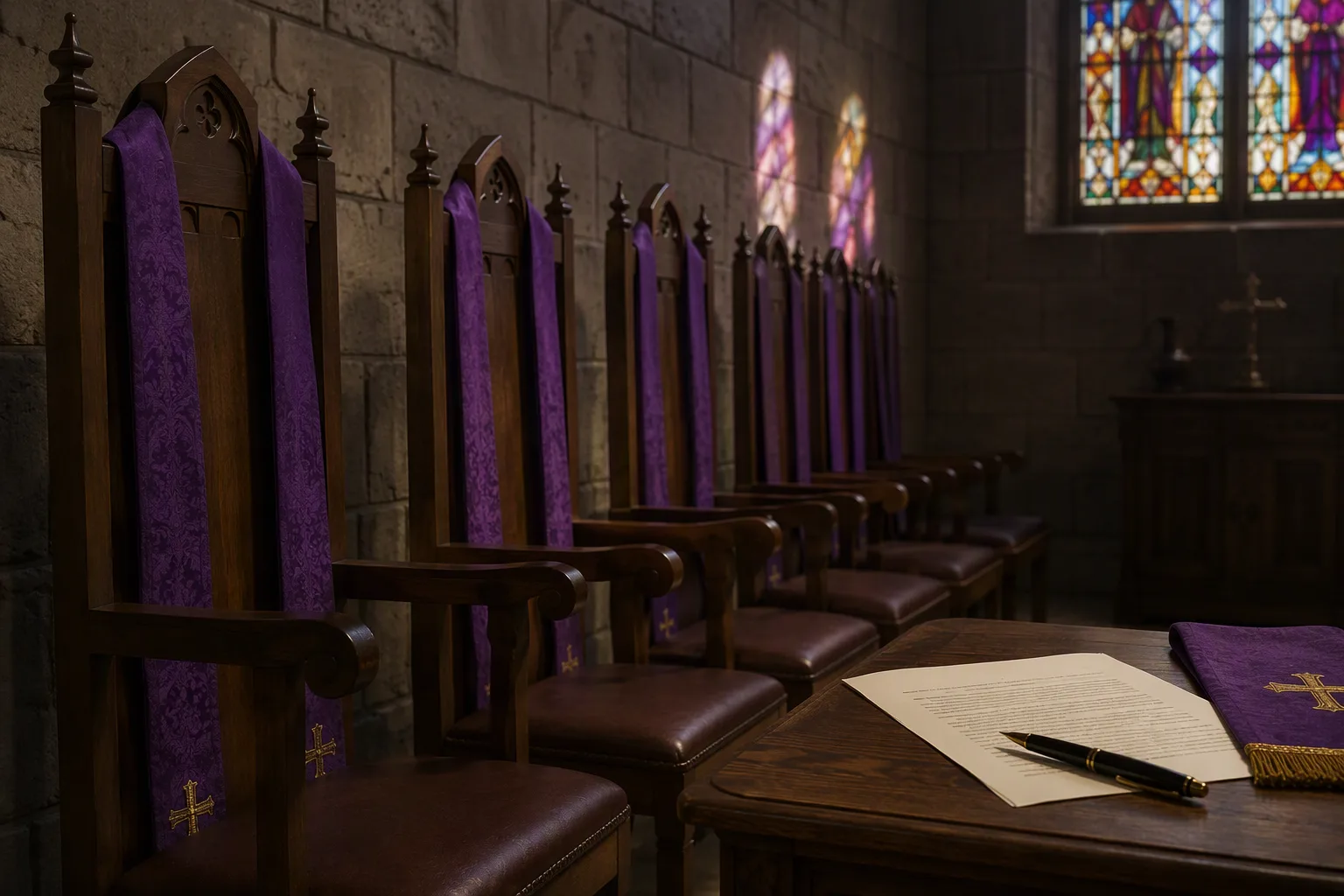
The case of the Archbishop of Lusaka is no longer a Zambian matter alone. The Association of Catholic Bishops' Conferences of Malawi, Zambia and Zimbabwe (ACBC-MAZAZI) says it is "deeply concerned" about the legal proceedings against Dr Alick Banda and has called on the authorities to ensure he receives "a fair, transparent and lawful process". The communiqué, dated 2 October and signed by the association's president, Rt Rev Raymond Mpandasekwa, extends "spiritual support" to the archbishop, the clergy and faithful of the Archdiocese of Lusaka and the Zambia Conference of Catholic Bishops, and urges all parties to remain calm and prayerful as the court process continues.
It followed a weightier voice still: on 1 October, the Symposium of Episcopal Conferences of Africa and Madagascar — the continental body of Catholic bishops — expressed its "fraternal solidarity and prayerful closeness" to the ZCCB and to Dr Banda, saying it had learned "with great concern" of the proceedings that followed his appearance before the Drug Enforcement Commission on 28 September. The DEC arrested and charged the archbishop that day with possession of property reasonably believed to have been unlawfully obtained, under Section 319 of the Penal Code: a blue Toyota Hilux, registration ALF 7734, suspected to have been unlawfully obtained from the Zambia Revenue Authority — one of about 22 ZRA vehicles in a wider improper-disposal investigation that has already produced convictions.
The archbishop has pleaded not guilty. He spent a night in custody before completing bail formalities — K80,000 in his own recognisance, with three working sureties bonded at K50,000 each — and was released on 29 September. News of the arrest drew the faithful to prayer at the Cathedral of the Child Jesus, and drew the ZCCB into an extraordinary plenary on 29 September under Kasama's Archbishop Ignatius Chama, whose closing statement quoted Psalm 11:3 — "If the foundations are destroyed, what can the righteous do?" — and warned that the country's democratic pillars are straining under polarisation, intimidation and arbitrary arrests.
The secular argument has now joined the ecclesiastical one. The Movement for Economic Emancipation's Chansa has urged the State to drop the case, asking "what public interest exists" in the prosecution — a phrase that has since framed the debate. The counterposition, argued in a widely read commentary over the weekend, is "possession is not proof": the State must show its evidence, and the charge as framed does not accuse the archbishop of involvement in the disposal itself. The DEC has said from the start that it summoned a name in its records, not an office, and that the process has nothing to do with politics or the Catholic Church. What the bishops of three countries have now said, in effect, is that they will be watching whether that is true.
Confirmed vs. alleged
Confirmed: Dr Banda was arrested and charged on 28 September over the Hilux; he pleaded not guilty and was released on bail on 29 September; ACBC-MAZAZI's communiqué is dated 2 October and SECAM's statement 1 October; the ZCCB held an extraordinary plenary on 29 September.
Alleged or contested: That the vehicle was unlawfully obtained and that the archbishop had reason to believe so — both denied by his not-guilty plea and untested in court; claims that the prosecution is politically motivated, which the DEC rejects.
Sources: The Zambian Observer, "Catholic bishops from Malawi, Zambia and Zimbabwe rally behind Archbishop Alick Banda" (3 Oct 2026); Fides, "African Bishops express concern over the arrest of Archbishop Banda" (1 Oct 2026); Mwebantu, "DEC charges and arrests Archbishop Alick Banda over ZRA vehicle" (28 Sep 2026); Lusaka Times, "'What Public Interest Exists?' Chansa Questions Archbishop Banda Prosecution" (4 Oct 2026); ACI Africa on the ZCCB solidarity statement (29 Sep 2026).
Back to the front page