
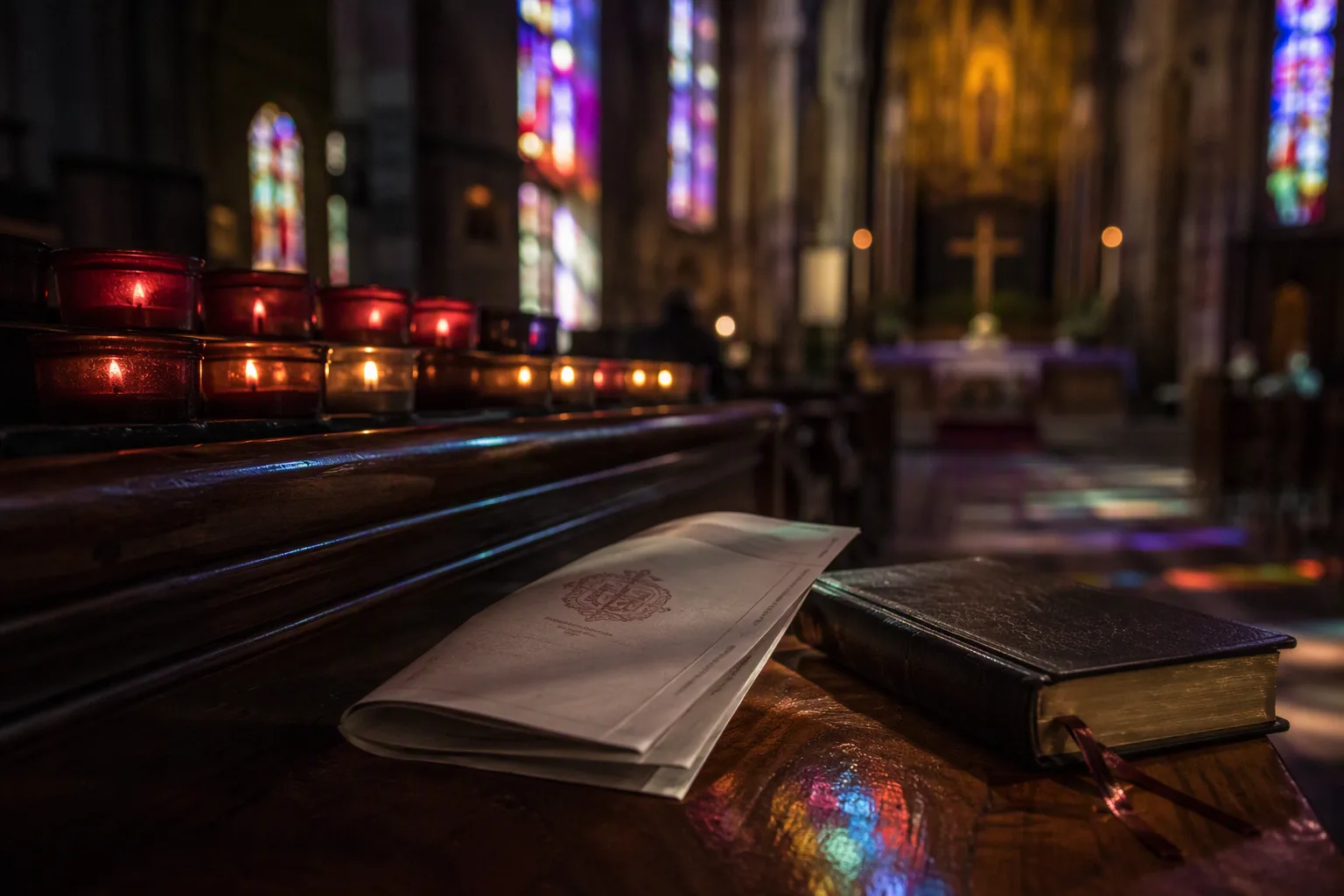
Zambia's Catholic bishops ended September with a letter that has set October's political agenda. The Zambia Conference of Catholic Bishops' pastoral statement, dated 30 September, expressed concern about reports of arbitrary arrests and detention, called for due process and access to justice, and — in the passages that drew the sharpest response — questioned the credibility of the management of the 2026 general election. The bishops did not name the detained opposition leaders Brian Mundubile and Makebi Zulu, whose constitutional petition now has a High Court date; they did not have to.
State House answered within a day, rejecting what it characterised as a portrayal of a country in crisis and insisting that dialogue, not confrontation, remains its preferred register. Chief Communications Specialist Clayson Hamasaka said an arrest "establishes neither guilt nor persecution, irrespective of the accused person's political or religious standing", adding that allegations of unlawful detention or abuse should be investigated on their individual facts, and that lawful arrests should not be characterised as abductions.
The Council of Churches in Zambia had earlier staked out the argument's middle ground: arrested persons, it said on Wednesday, must be treated humanely, informed of the allegations against them and brought before competent courts in accordance with the law — adding that no one is above the law, and no person should be denied its protection. It is a formulation both sides of the dispute have since quoted, each claiming it.
The opposition has chosen its side plainly. The Tonse-Pamodzi Alliance welcomed the bishops' and the CCZ's interventions and demanded the release of political detainees, folding the churches' language into its own campaign over the 18 detainees whose petition is set down from 26 October. The ruling party has held its line: no one, the UPND said this week, is immune from prosecution — a statement issued in the matter involving the Archbishop of Lusaka, Dr Alick Banda, which a widely read commentary summarised under the headline "possession is not proof".
What the exchange has produced, beyond statements, is a frame for the month ahead: the High Court hearing, the President's opening address on 9 October, and the unresolved question of whether the dialogue State House prefers and the accountability the bishops demand can be made to mean the same thing. The detainees at the centre of it all remain at Mukobeko Maximum Correctional Facility in Kabwe. Their lawyers' claims — and the State's answers — will be tested before three judges.
Confirmed vs. alleged
Confirmed: The bishops' 30 September pastoral letter raised arbitrary-arrest concerns and questioned election-management credibility; State House has publicly rejected a "crisis" portrayal while affirming dialogue; the CCZ set out its due-process formulation on Wednesday; the detention petition is listed from 26 October.
Alleged or contested: That any arrests were arbitrary; that lawful arrests amount to persecution; the specific claims of mistreatment by detainees remain untested in court.
Sources: Lusaka Times, "State House Rejects Catholic Bishops' Crisis Portrayal, Says Dialogue…" (1 Oct 2026) and "Pastoral Letter Questions Credibility Of 2026 Election Management" (1 Oct 2026); Lusaka Times, "Tonse-Pamodzi Backs Church, Demands Release of Political Detainees" (1 Oct 2026); Council of Churches in Zambia statement (30 Sep 2026); Lusaka Times, "UPND Says No One Is Immune From Prosecution In Archbishop Banda Case" (1 Oct 2026).
Back to the front page