
The cushion has an expiry date, and it is this month. Announcing the restoration in yesterday's opening address to the 14th National Assembly, President Hichilema said Zambia's exposure to global fuel-price volatility had forced “unprecedented measures such as the temporary removal of taxes on fuel” — steps designed, he said, on the assumption that stability would soon return to the international market. It has not. The excise duty is accordingly restored from October, the President framing the decision as a review of the waivers so that the State can sustain free education, the Constituency Development Fund, the school feeding programme and social cash transfers.
The tax does not return alone. The President said the Government will adopt additional measures for competitive pricing and security of supply: management of the TAZAMA open-access system will be strengthened so the pipeline “remains competitive and facilitates the supply of petroleum products at more affordable prices”, and the Energy Regulation Board's monthly pricing mechanism will be reviewed as part of what he described as an overall objective — a secure, predictable and efficient petroleum-supply system. The Ministry of Energy will also implement a fuel-blending strategy aimed at cutting the import bill and supporting the local ethanol industry, an option energy economists have urged on Lusaka for years as a hedge against the landed cost of refined product.
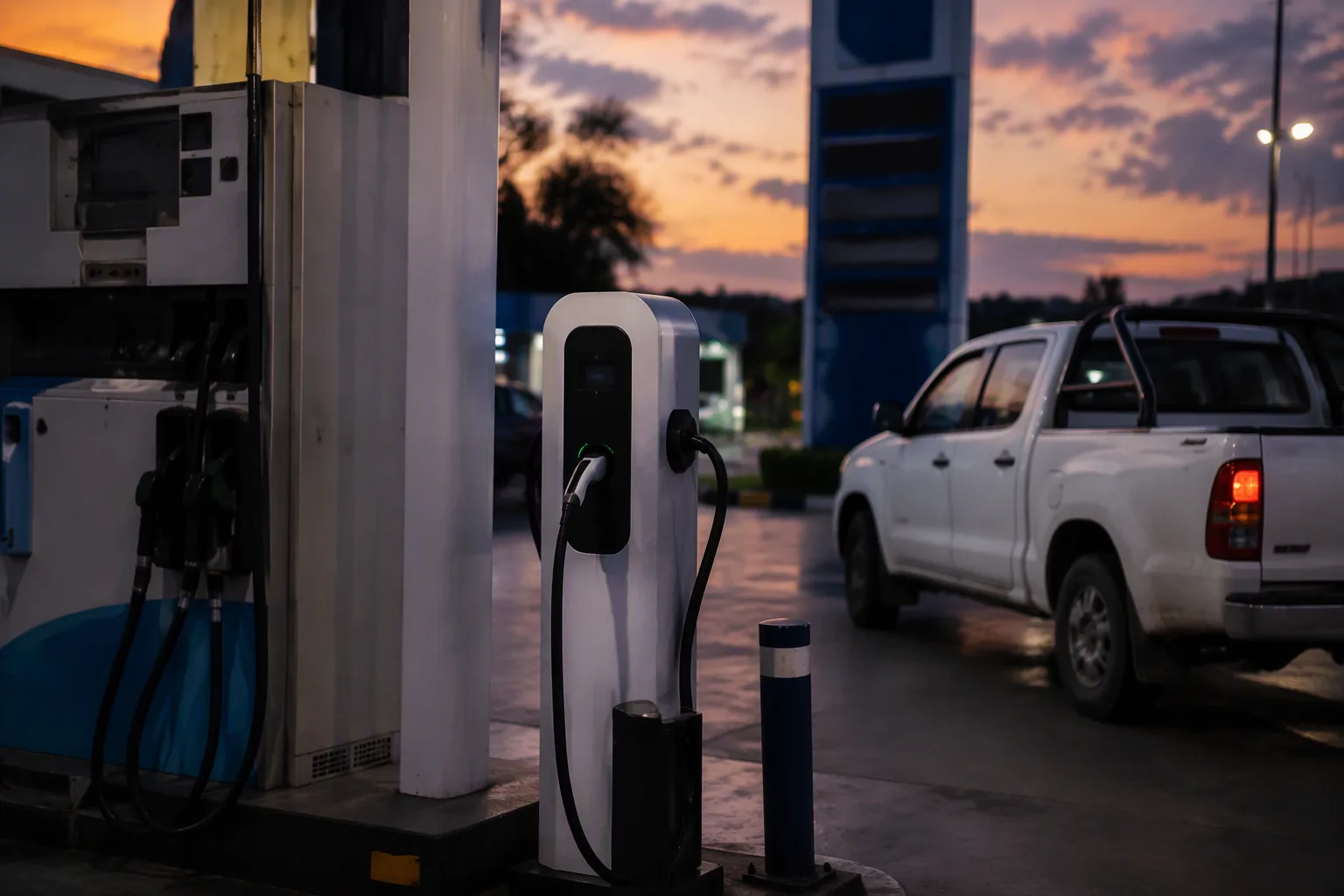
The surprise in the package was the motor-fleet directive. All government institutions, the President said, will now acquire only electric vehicles, citing instability in global fuel supplies; the Government will work with the private sector to develop charging infrastructure across the country, and he urged businesses, cooperating partners and citizens to embrace the transition to cleaner, more affordable and self-reliant transport. He did not say when the policy would be fully implemented or what the transition would cost — the two questions fleet managers and the Treasury will now have to answer on paper.
The economics of the restoration cut both ways, and the Government knows it. The waivers cost the Treasury revenue every month they ran; the IMF warned as far back as March that domestic fuel-price adjustments might be required to prevent revenue losses from fuel taxes. But every ngwee restored at the pump feeds transport and food prices in an economy where the kwacha has spent a month sliding back toward twenty to the dollar — the same kitchen-economy pressure this newspaper tracked on Friday. The ERB review is the tell: Lusaka wants the tax back without the backlash, and is looking for a pricing formula that collects quietly.
Sources: Lusaka Times, “Govt. Restores Excise Duty On Fuel” (9 Oct 2026); Makanday, “Hichilema Announces Electric-Only Vehicle Policy For Government” (9 Oct 2026); State House transcript of the opening address (9 Oct 2026); IMF end-of-mission statement on Zambia (March 2026), via Channel Africa; Lusaka Brief, “The kwacha's wobble” (9 Oct 2026).
Back to the front page