
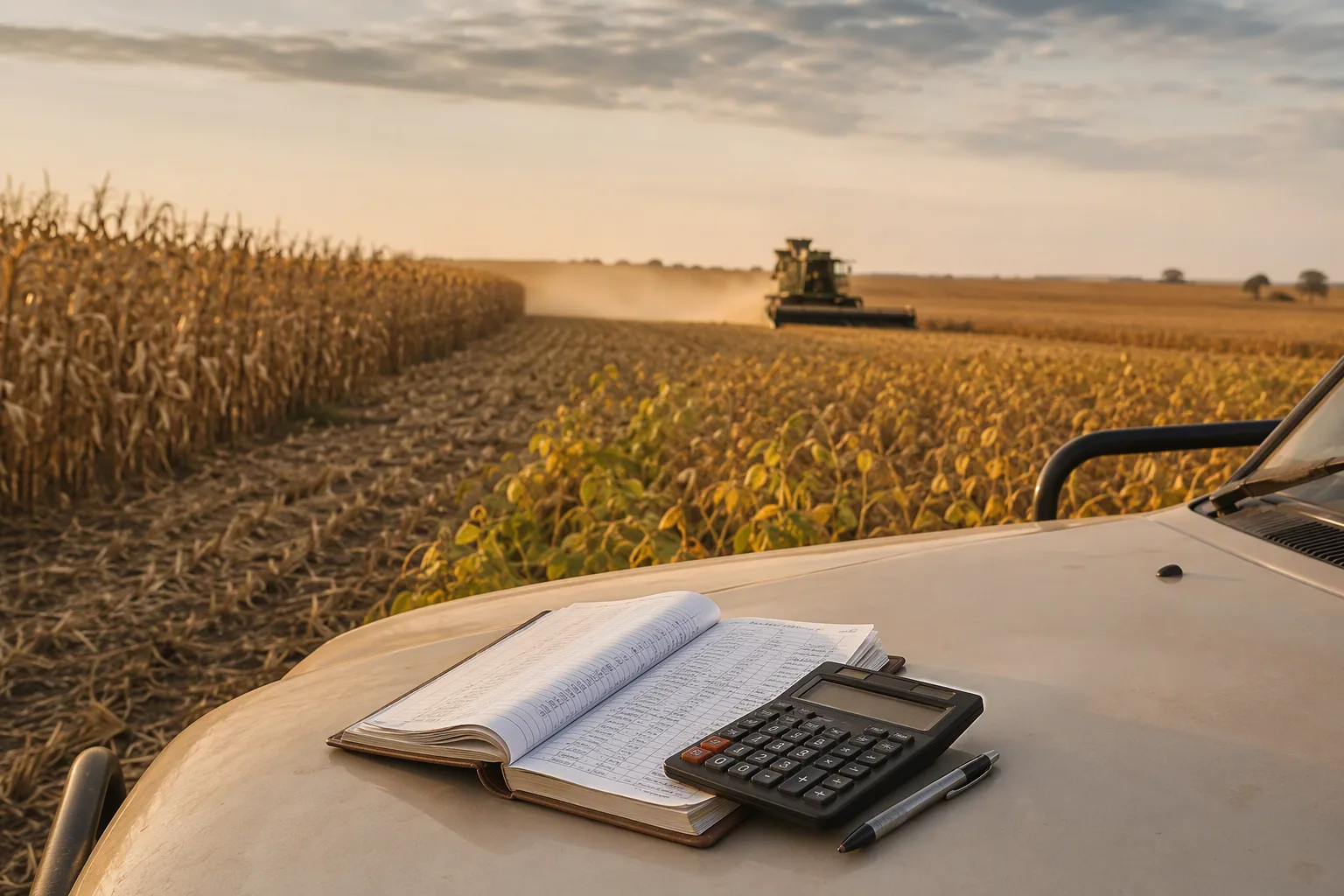
The planting season's most important number may not come from the Meteorological Department this year but from a bank's loan book. Indo Zambia Bank has disclosed that its agriculture portfolio now stands at K3.3 billion — a figure tabled this week as the bank's executives engaged the Ministry of Finance and National Planning, and one that makes the institution the season's most exposed private lender to the sector that feeds the country.
The detail inside the headline is the smallholder line. K400 million of the book has flowed through the Sustainable Agriculture Finance Facility, reaching more than 3,600 farmers — the tier of the sector that commercial banks historically avoided and that the Farmer Input Support Programme alone has never fully reached. Behind the standing portfolio sit the earmarks the bank says are next: K300 million for soybean value chains, US$15 million for wheat, and a US$140 million energy pipeline as part of a total programme the bank puts above US$500 million across sectors. Read together, the numbers describe a lender positioning itself across the entire input-to-power chain of the food economy.
The timing is the strategy. Land preparation is under way across the central belt, the input market is opening — and, as this newspaper reports elsewhere today, being policed for counterfeits — and the government is publicly courting private capital for everything from student loans to irrigation. A K3.3 billion agriculture book is a bet that the record-harvest economy of the last two seasons is structural rather than meteorological luck. The climate scientists' warning of a drier-than-normal season in parts of the south is the counter-argument the bank's risk officers will have priced. The farmers who took the K400 million are the ones who will find out first.
Sources: Mwebantu Business, "Indo Zambia Bank agriculture portfolio hits K3.3 billion" (Oct 2026); Indo Zambia Bank disclosures (Oct 2026); ZNBC on climate scientists' seasonal rainfall outlook (28 Aug 2026); African Development Bank on the Sustainable Agriculture Finance Facility (Jan 2026).
Back to the front page